
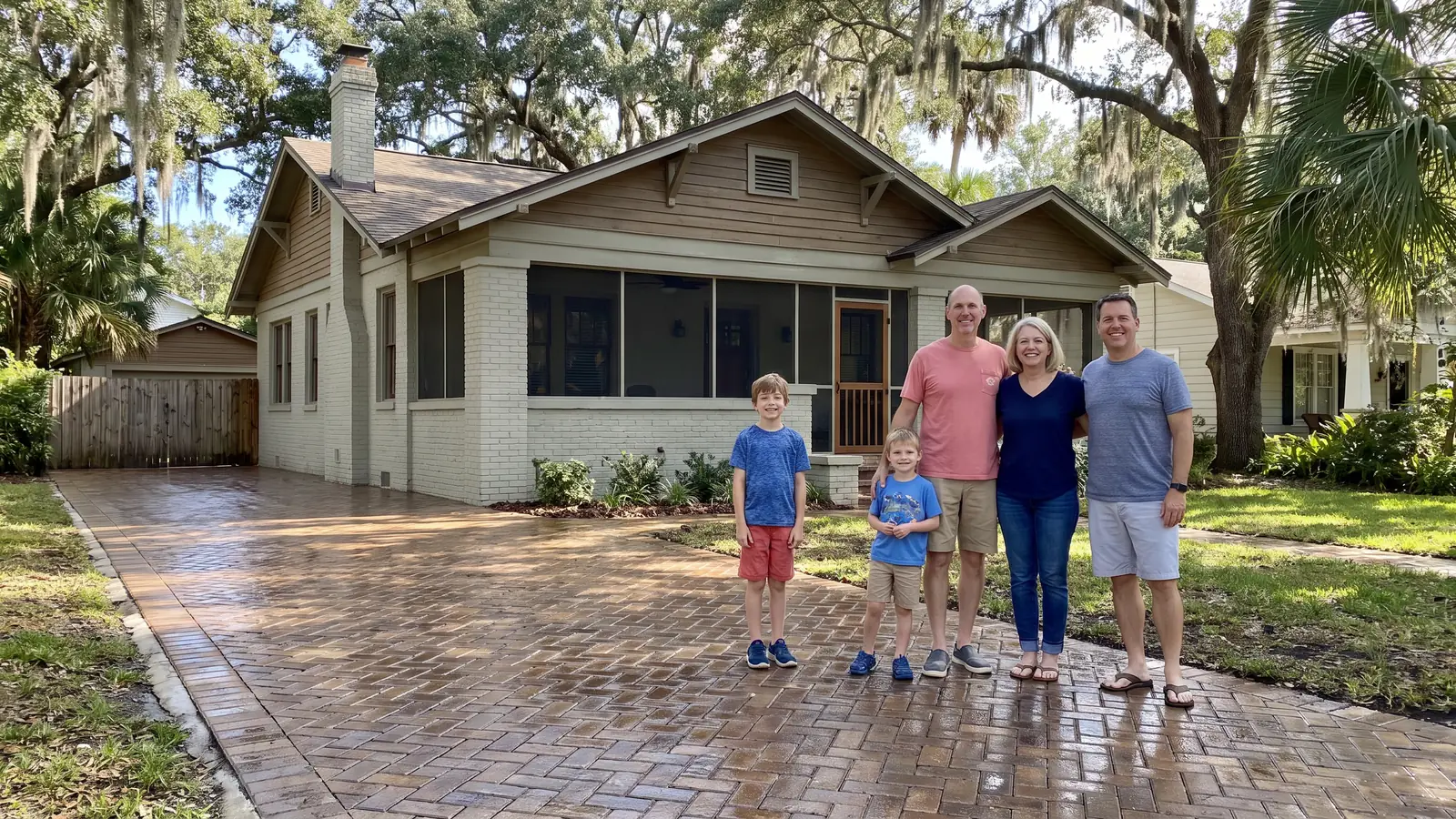
Paver sealing for Paxon homes
Paver Sealing in Paxon, FL
Paxon homes near Hammond Park get paver sealing from a local contractor, so call (904) 479-9763 for a free estimate.
- Brings out deeper paver color
- Fresh joint sand helps lock pavers in place
- Gives weeds less room to grow
- Makes the surface easier to keep clean
- Free estimate, no obligation
Request a Free Estimate
Free, no obligation.
Fast, careful paver sealing in Paxon
Paver sealing in Paxon covers carport slabs, front walks and patios, from Edgewood Avenue North to the streets near Hammond Park. A local contractor washes the surface, refills the joints and seals carport slabs, walks and patios, with a free estimate. Request a quote through ask for a free estimate, and an answer arrives within 1 business day, often well before.
Picture a carport slab gone the color of old concrete, with open joints and a few weeds along the edge. A wash, fresh sand and a new coat can bring one even tone back across the whole stretch. To talk it through first, call (904) 479-9763 and describe the driveway, walk or patio.
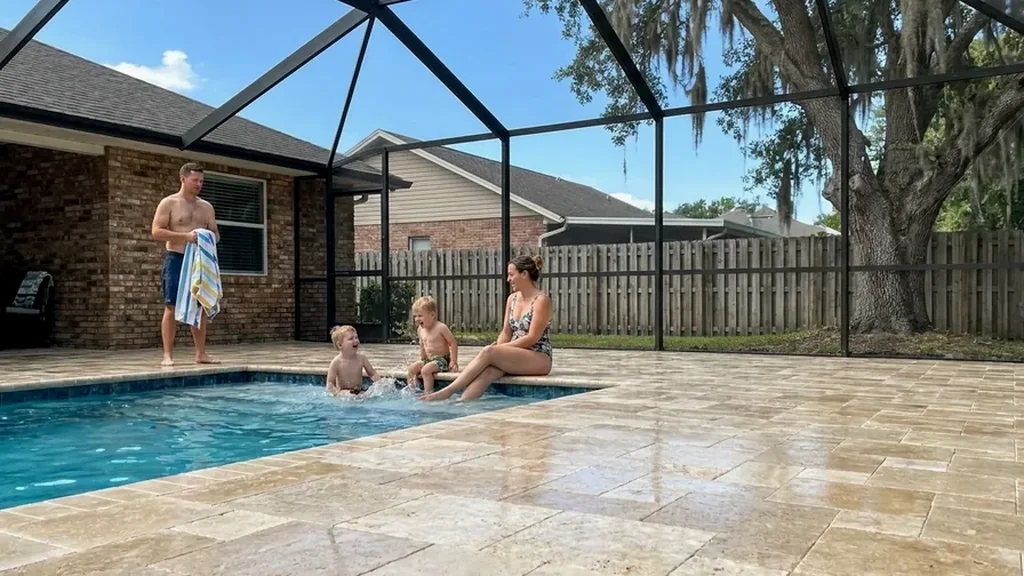
Why hire a local paver sealing contractor in Paxon?
Paxon owners tend to hire a local paver contractor because the lots are modest, the houses are mid-century and the ground is sandy. To hear how that fits your street, call (904) 479-9763.
A free look at your lot
A contractor visits your Paxon property and quotes the job at no charge. You decide afterward, with no obligation.
A range to measure bids
Published prices for this work run $1.75 to $3.25 per square foot. Hold any Paxon bid up to it.
A finish for a small house
Matte keeps a modest block home looking natural. A wet look deepens color but shows scuffs sooner on a daily-use carport.
Your call on the date
You choose the day and the finish. An answer comes back inside 1 business day, often much earlier.
Get Your Free Estimate in Paxon
Tell us about your pavers in Paxon.
Free, no obligation
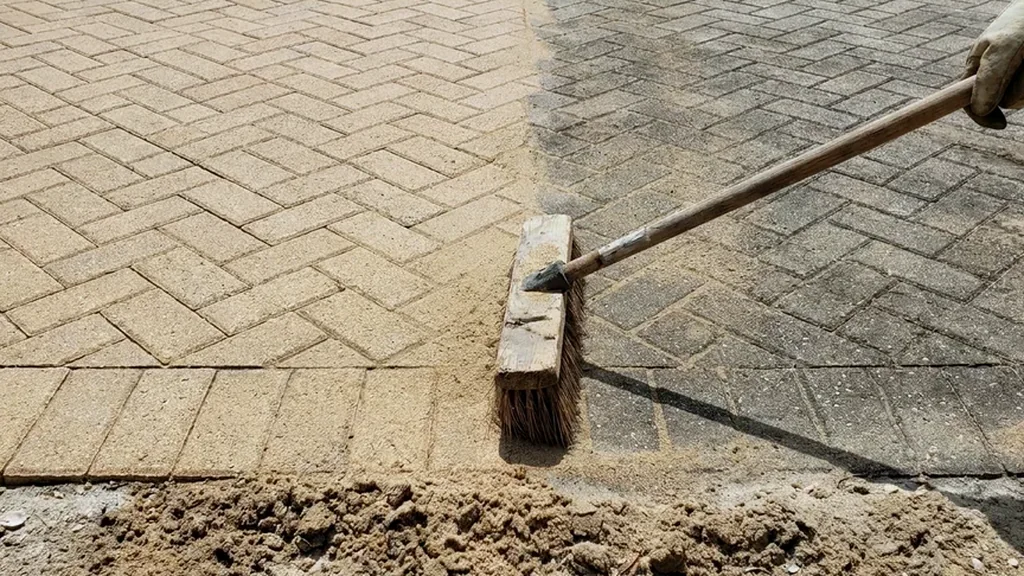
What paver problems show up most in Paxon?
Sunken spots on sandy ground
The USDA describes the Ortega soil series, common in Duval County, as fine sand with rapid permeability. Water drains through ground like that fast, so an edge paver can lose its support over the years. Low spots near the carport or the front walk are worth pointing out early. They get reset before sealing, because sealer would only lock the dip in place. Edges beside the street or the carport are where it tends to show. Even a small repair beats sealing over a dip that will keep holding rain.
Pavers added to a 1950s house
A realty guide puts the median Paxon home at 1954, mostly single-story frame and block. Pavers on lots like these were usually added later, and the owner who sealed them may be long gone. The type of coat decides what can follow it, because water-based sealer cannot go over solvent-based. One Jacksonville company says oil-based coats must be stripped first on about 10 to 20 percent of its jobs. A short look at the surface and a few questions about the past work usually settle it. Better to ask the question now than to find a peeling patch later.
Shared drives and tight lots
Buyers in Paxon are told to check lot size, easements and shared driveways, since the lots run modest. On a shared strip, the contractor needs to know where your pavers end and the neighbor's begin. A Jacksonville cleaning company adds that locked gates and tight side yards add prep time. Mention any gate or shared edge when you ask for a price. Clear lines up front keep the job quiet for everyone on the block. A quick photo of the edge helps the contractor price it right.
Damp shade near the pines
Woodstock Park, next door along West Beaver Street, is a 15.8 acre city park filled with tall pine trees. One landscape trade article notes that algae and moss belong on interlocking pavers only where shade is heavy. Walks that stay under tree cover and never dry out are the ones that turn green first. Those spots get the longest wash. A midday look at the walk shows which strips never see the sun. Trimming back low branches, where the owner allows it, also lets the sun reach the walk.
Joint sand that storms carry off
Rain here totals about 52 inches a year, and most of it arrives from May to September in short, hard storms. Sand in open joints washes out, and weeds move into the gaps. Safe Touch says sand lost to summer storms has to be restored before any sealer goes on. A contractor checks the edges of the slab first, where the loss shows up earliest. Fresh sand held in place by sealer gives the joints a better chance through the next wet summer. Spots under a downspout or roof edge lose sand first.
Which Paxon streets should I name when I ask for a quote?
Start with your street, because a contractor can place a Paxon address quickly from names like Commonwealth Avenue, Lowell Avenue, Melson Avenue or Dignan Street. A local realty guide lists those among the streets with homes on record, mostly single-story frame and block built from the 1940s to the 1960s. When you ask for a free estimate, add the street and the year of the house if you know it.
Lots here are generally modest, and buyers are told to check easements and shared driveways on each parcel. A shared strip of pavers raises a fair question about who agrees to the work and who pays for it. Settle that with your neighbor first, then call (904) 479-9763 to ask what the contractor needs to see.
Across Edgewood Avenue sits Woodstock Park, platted in 1917 with streets named for Great Lakes waters such as Erie, Huron and Mackinaw. The streets were laid out to house workers near three major rail yards. Whatever has settled on your pavers, from road film to leaf litter, comes off in the wash before sealer goes on. If your house is near Edgewood Avenue, you can ask for a free estimate and give the cross street.
What does paver sealing cost in Paxon?
The range published by companies in this region is $1.75 to $3.25 per square foot, covering clean, sand and seal. Paxon lots are described as modest, so many jobs are small, and a Jacksonville cleaning company says small projects cost more per square foot because prep time does not shrink with the surface. Failed old sealer adds strip work on top. For a figure that fits your slab, ask for a free estimate.
Access moves the total too. A carport slab behind a gate takes longer to set up than an open front drive, and a shared edge means more careful masking. Green film left by shade adds washing time. Call (904) 479-9763, and the contractor can say which of these apply to your property.
| Paved area | Typical example | Clean, sand and seal |
|---|---|---|
| 300 sq ft | Small patio or walkway | $525 to $975 |
| 600 sq ft | Two car driveway | $1,050 to $1,950 |
| 1,000 sq ft | Large driveway or pool deck | $1,750 to $3,250 |
| 1,500 sq ft | Driveway plus pool deck | $2,625 to $4,875 |
Math based on the $1.75 to $3.25 per square foot that Northeast Florida paver companies publish. Your contractor sets the actual price after seeing the surface. Repairs, leveling and stripping failed sealer are usually extra.
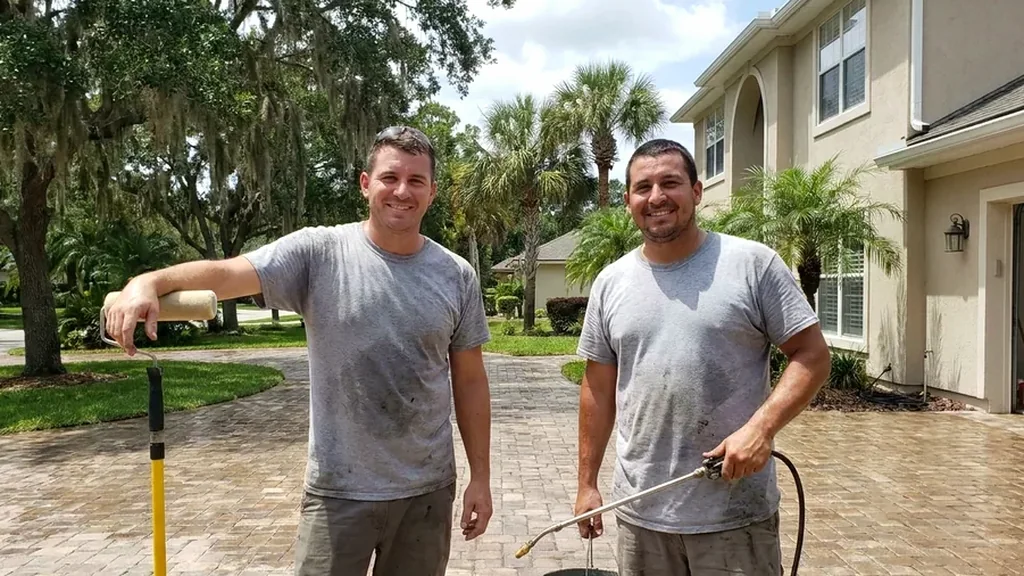
How does a paver sealing job work in Paxon?
Walk the lot and read the old coat
The contractor starts at the carport, the front walk and the patio, looking for dips, lifted edges and gate or neighbor limits. If a coat is already on the pavers, its type decides what can follow, since water-based cannot go over solvent-based. Sunken spots are reset before any sealer goes down. Tell the contractor what you know about past work on your Paxon house. That first visit sets the plan for every step that follows. Photos of any trouble spots speed things along.
Wash the grime and green film off
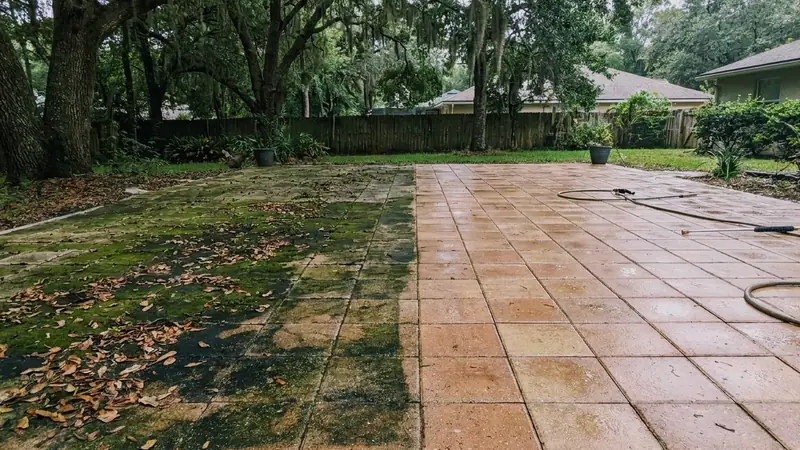
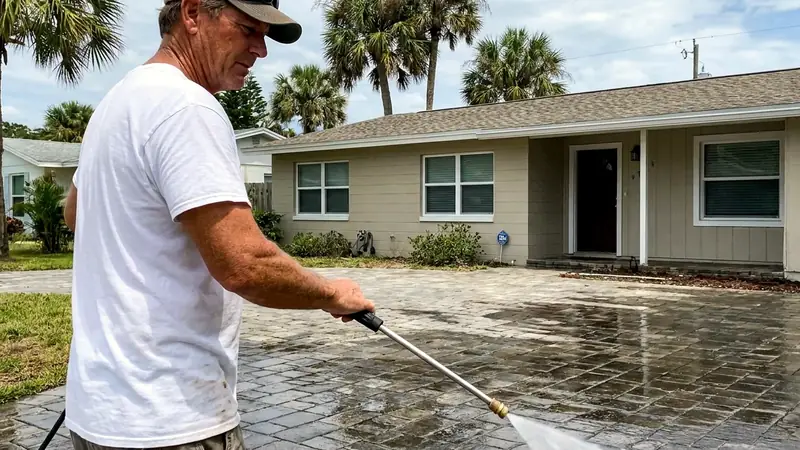
Washing comes next, with extra time on the shaded side of the yard where damp grows film. Rinse water is kept off a neighbor's car or fence on these modest lots. Stains from rust or oil are pre-treated, though a deep stain may not fully lift. The surface needs to be clean before anything is locked on top of it. Pressure is kept moderate, since a trade supplier warns that going above 3,000 PSI on standard concrete pavers risks stripping the surface. On older homes the rinse stays clear of window screens and door seals.
Joint sand goes back in
Cleaning carries sand out of the joints, and that sand goes back in before the coat. On the sandy ground common in Duval County, open joints let weeds and soil in. The sand is swept in and the slab is swept clean. One Jacksonville company uses kiln-dried sand and lets the sealer lock it in place. Full joints keep the pavers locked together, which means fewer wobbles underfoot at the edges of the carport. Extra sand at the edges keeps the border pavers snug.
Wait for a fully dry surface
Sealer needs a dry surface, and one manufacturer bulletin asks for about 24 hours dry after cleaning or rain. Paxon rain comes in hard bursts from May to September, so the contractor watches the forecast. A shaded corner can stay damp longer than the open drive. Sealing over damp pavers is how white, blotchy patches happen. If rain moves in, the day moves too, and a good contractor tells you early. Morning dew counts, so the first pass often waits until the sun clears the roofline.
Spray and roll on the finish
The sealer goes on in the finish you chose, usually sprayed and then back-rolled for even coverage. Matte leaves the stone looking natural, while a wet look darkens the color and picks up scuffs faster. Companies quote two to five years per coat, and carport tires push a slab toward the short end. One Jacksonville company says to expect a few hours before walking on it and about a day before cars. Write down the product name, because the next coat should match it. Keep the car off until the contractor says the surface is ready.
Complete paver services in Paxon
Sealing a Paxon driveway starts long before the sealer: a wash, then fresh sand, then a dry wait. The wash lifts dirt and green film, and the sand is swept in and swept clean. One Jacksonville company says a full job keeps people off the pavers for about three days in all. To learn how long your lot would take, call (904) 479-9763.
Paxon pavers are usually a carport slab, a front walk, a back patio and sometimes a short drive. Each wears in its own way: tires grind the drive, while a patio behind a block house sees more damp and shade. Tell the contractor which surfaces you want done when you ask for a free estimate, so the visit covers all of them.
Two choices come up on every Paxon estimate: the sealer type and the finish. Wet look deepens color, though it shows tire scuffs sooner on a carport that is used daily. If an earlier owner used a solvent coat, a water-based product cannot follow it. Call (904) 479-9763 and share whatever you know about the old coat.
Weather sets the date. Jacksonville rain falls mostly from May to September, and one company says spring and fall often bring the steadiest stretches for sealing. Pavers must be dry, so a shaded Paxon patio may need extra days. To ask which window fits your street, ask for a free estimate.
Questions to ask before you hire
- Can you tell whether my pavers are concrete, brick or travertine before you quote?
- Can I still get my car out in the morning on the day of the job?
- Will the color look richer in full sun, or only while the sealer is still wet?
- My driveway is shared with a neighbor. How do you handle the property line?
- How do you reach pavers that sit under a low screened lanai?
- What would make you suggest a low-sheen finish for my patio?
- My driveway slopes toward the street. Does that change how the sealer goes on?
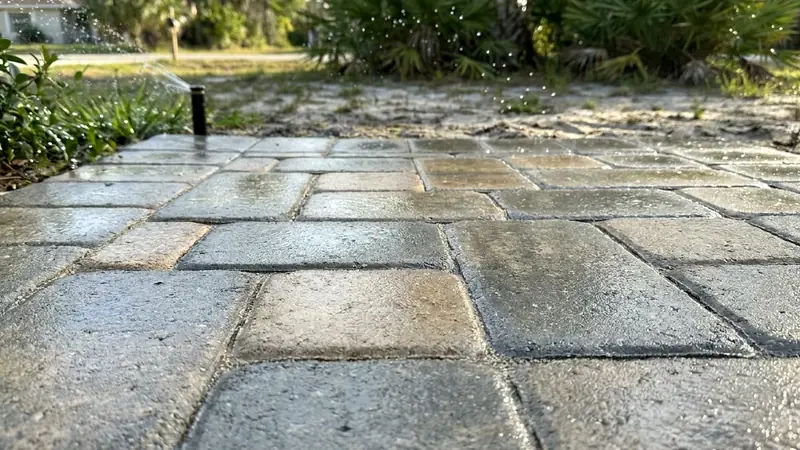
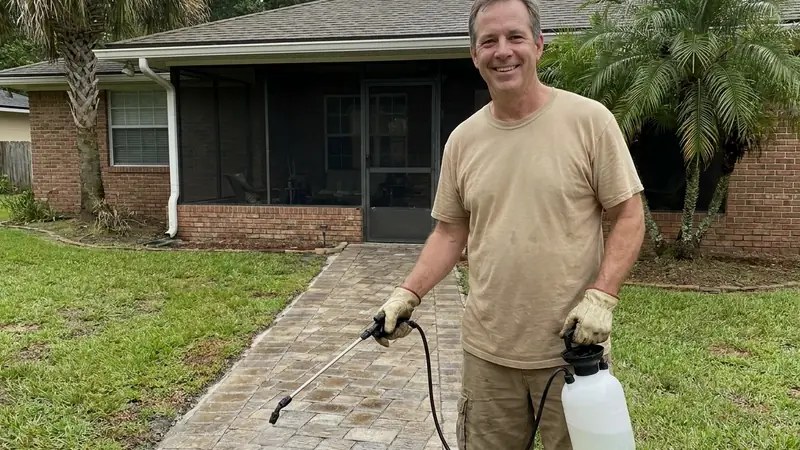
What do sealed pavers look like around Paxon?
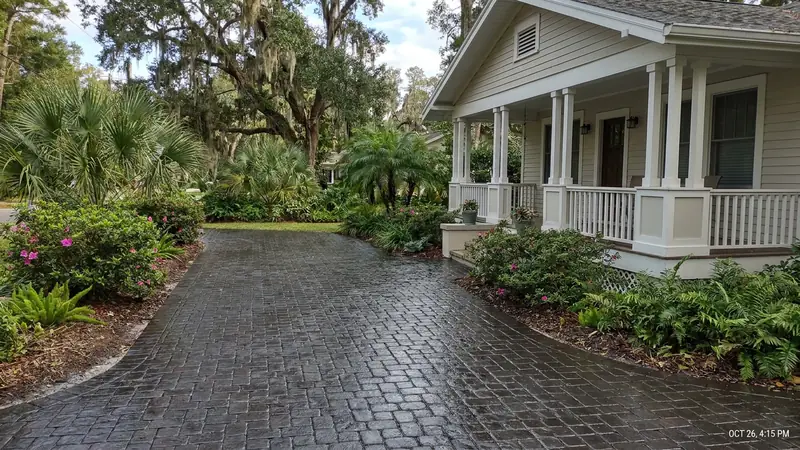
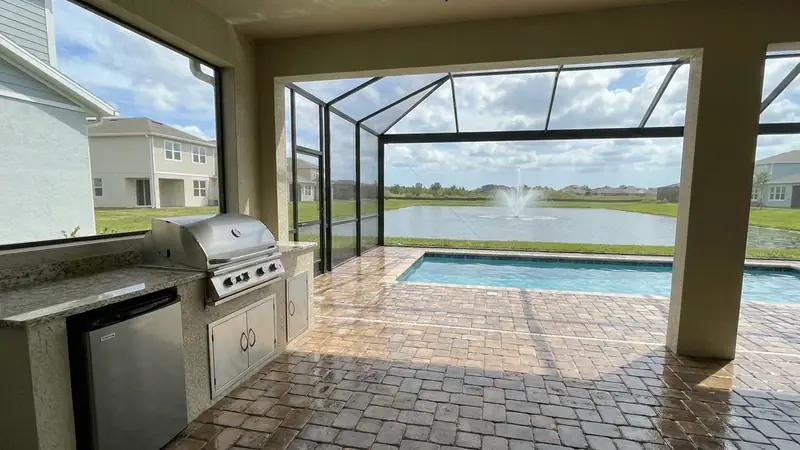
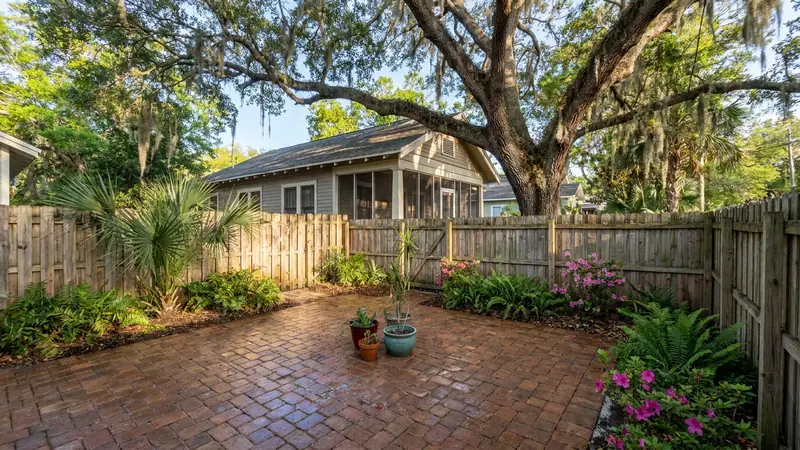
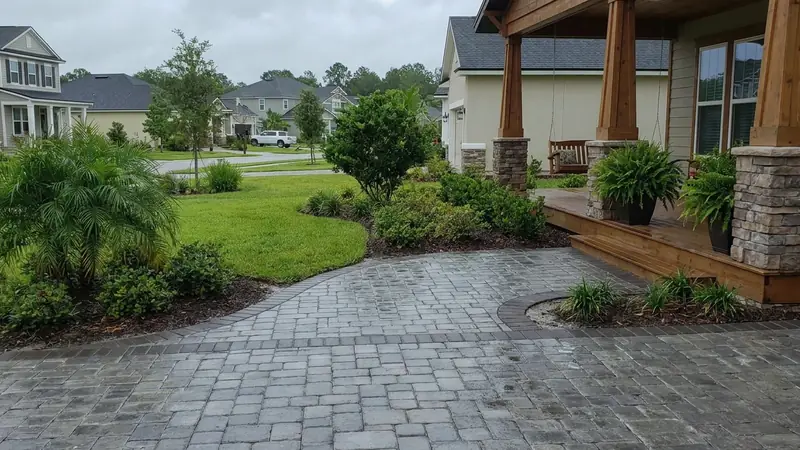
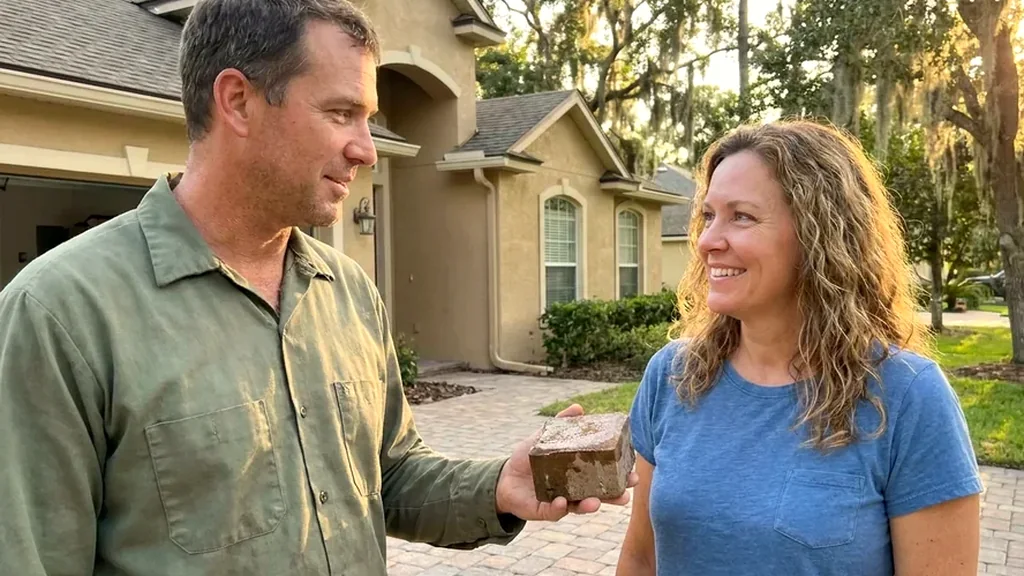
Why local matters in Paxon
A contractor who works the Westside knows Paxon houses were built from the 1940s into the 1960s, and that pavers came later. That history raises the first question: what is already on the surface? A company working from far across town might not think to ask. To reach a contractor who knows the Westside, call (904) 479-9763.
Timing is local as well. Summer storms in Jacksonville arrive fast, sandy ground drains quickly, and shaded corners near the pines stay damp. A local contractor plans around all three. You can ask for a free estimate and ask how the contractor would read your yard.
Modest lots call for care. Overspray and rinse water can reach a neighbor's car or a shared fence a few feet away. A contractor who has worked streets like these asks about neighbors and parked cars before starting. If you rent, ask the owner first, then ask for a free estimate and say who holds the keys.
Which Paxon landmarks help a contractor find my street?
Name any of three places and a contractor will know where you are: Paxon School for Advanced Studies, Hammond Park or the Paxon Shopping Center. The school opened in 1954 on the former Paxon Air Field, and its campus covers 88 acres. Hammond Park on Melson Avenue began in 1955 under the name Paxon Park. If you live within a few blocks of either, call (904) 479-9763.
The Paxon Shopping Center opened in 1958 at Edgewood Avenue North and Broadway Avenue and covers 123,000 square feet. Its early tenants included A&P Stores and O'Steen's Pharmacy. Annie Morgan Elementary was built from a 1915 bond issue as Public School 21. Near any of these, ask for a free estimate and mention the landmark.
Frequently Asked Questions
How much is paver sealing per square foot in Paxon?
Paxon bids can be checked against $1.75 to $3.25 per square foot, the published range for cleaning, sanding and sealing around here. A small Paxon slab often lands higher per foot because prep time stays about the same. Failed old sealer adds strip work. Make sure the written quote lists the square footage. Ask what is included, such as washing, sand and the number of coats.
Is it good to seal pavers in Florida?
Generally yes. A coat slows sun fade, helps hold joint sand and makes the next cleaning easier. Paxon's sandy ground and hard summer storms make joint protection worth a look. A free visit shows what your own pavers need. Both water-based and solvent-based sealers work, though the old coat limits your choice.
How long do paver sealers last on a Paxon driveway?
Companies quote two to five years per coat, and carport tires push a slab toward the short end. A carport slab with daily tires may need a new coat sooner than a shaded walk. One Jacksonville company says water that no longer beads and soaks in fast means the sealer is spent. Companies mark the next coat by how the surface looks, not by a fixed date.
Is it better to spray or roll paver sealer?
Many professionals do both. One Jacksonville paver company says pros typically spray the sealer and then back-roll it, since the roller works it into the joints and evens out extra product. Too much sealer left to dry can leave mottled or cloudy spots, so the method matters. Ask which method the contractor plans to use on your Paxon slab.
Can pavers on a shared Paxon driveway be sealed?
Yes, but the shared edge needs a plan. Lots here are modest, and realty guides tell buyers to check easements and shared driveways. Agree on the work with your neighbor first, then show the contractor exactly where your pavers stop. Written notes about the plan save later arguments.
Does old sealer stop a new coat from working?
It can. A water-based product cannot go over a solvent-based one, and one company strips old oil-based coats on roughly 10 to 20 percent of jobs. On a 1950s Paxon lot you may not know who sealed the pavers, so the contractor checks first. A receipt or a product name on a leftover bucket can answer the question quickly.
How long should I stay off pavers after sealing in Paxon?
Plan on a few hours before foot traffic and about a day before cars, according to one Jacksonville company. Another keeps people off for about three days across the full clean and seal. Rain or shade can stretch that, so ask for the plan on your lot. Leave the car at the curb for the first day.
Will sealing fix sunken pavers in Paxon?
No. Sunken or lifted sections are repaired before sealing, because sealer would only preserve the dip. Sandy ground and storm runoff are common reasons for sinking. Show the contractor each low spot when the visit starts. A reset also keeps water from pooling along the carport edge.
Nearby areas we serve
Ready for a Free Estimate in Paxon?
Call (904) 479-9763 and tell us about your pavers.
Free, no obligation